Wicketkeeping Explained: The Game Behind the Stumps

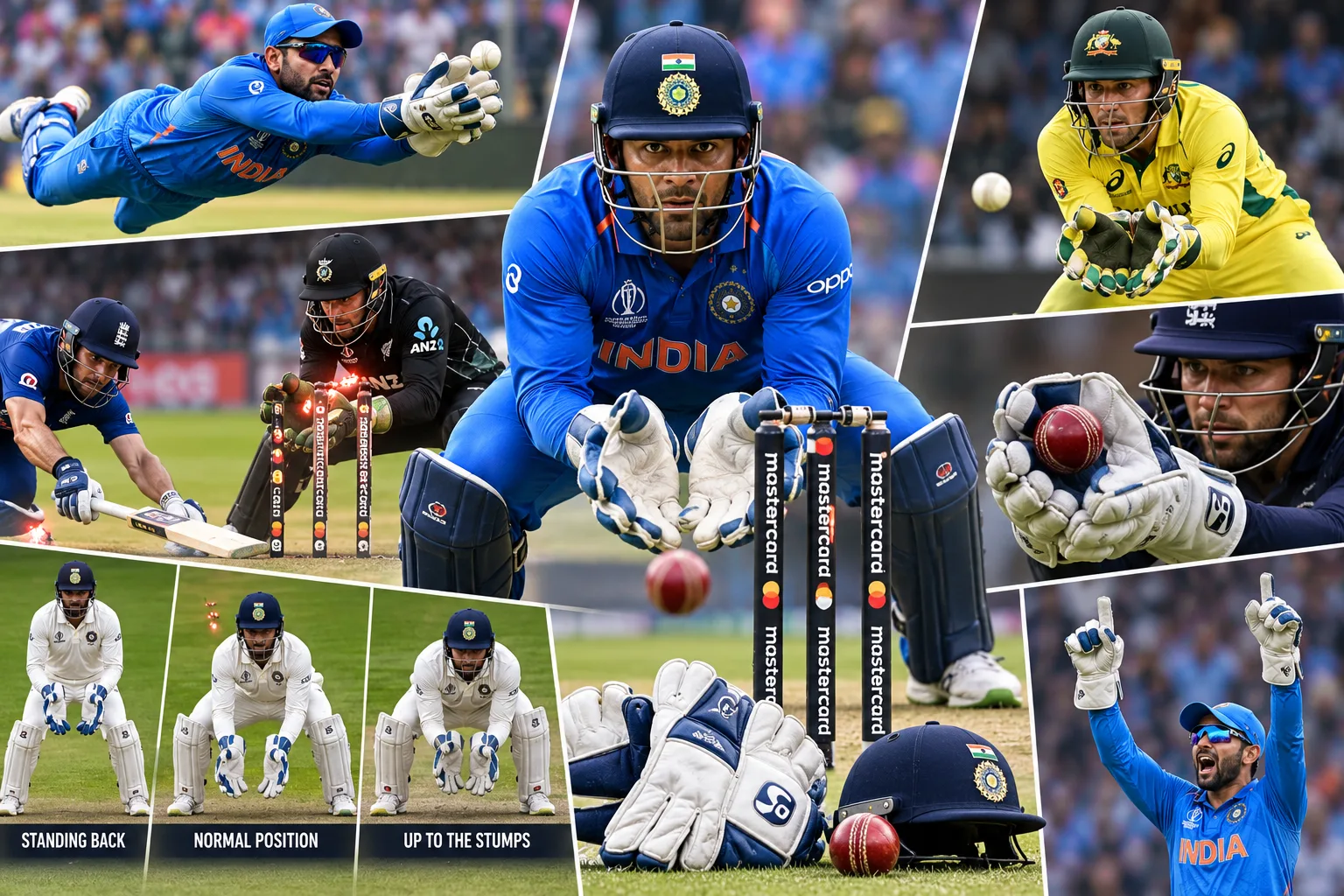
The wicketkeeper might be the busiest cricketer on the field, though you would not always guess it. While the fast bowler gets a breather at the end of his spell and the batter takes a few balls off, the keeper is in the game for every single delivery, from the first over to the last. Pads on, gloves up, knees bent, eyes tracking the ball out of the bowler's hand. Most of us only really notice the role when a routine catch goes down or a stumping flashes up on the big screen.
It is a strange mix of skills. A keeper needs the reflexes of a goalkeeper, the soft hands of a slip fielder and the patience to concentrate for hours without switching off. Get it right and barely anyone comments. Get it wrong and the whole ground sees it. Let us walk through what the job really involves, why standing up to the stumps is so difficult, and how a sharp keeper quietly tilts a match his side's way.
What the keeper actually does
The most basic duty is also the least glamorous: stop the ball. Anything the batter misses or leaves, the keeper is expected to gather cleanly. Let too many through and the opposition picks up easy byes while the fielding side starts to look ragged. But collecting the loose ones is only the beginning.
- Catches: everything from a faint feather down the leg side to a thick top edge spiralling overhead.
- Stumpings: whipping off the bails in an instant when a batter overbalances and misses.
- Run-outs: gathering throws from the outfield and breaking the wicket under pressure.
Beyond that, the keeper backs up throws that miss the stumps at the far end, has a say in where the field is set and watches how the ball is wearing. Plenty of small responsibilities, all landing on the same aching knees.
Standing up versus standing back
The biggest call a keeper makes is simply where to position himself, and it can change from one bowler to the next.
Standing back
Against the quicks, the keeper drops several metres behind the stumps. The ball arrives fast and climbs, so that extra room buys time to react and take it at a comfortable height. This is the keeper you see diving full length to his right to hold a thin edge off a delivery nudging 140 kph.
Standing up
For the spinners and slower medium-pacers, he moves right up to the stumps. Few things in the game are harder. The ball might grip and turn, keep low or skid on, and he has a split second to take it and break the stumps the moment a heel lifts. Standing up also pins the batter to the crease, taking away the option of skipping down the pitch.
Reading the spinner
Keeping to spin is an exercise in anticipation. The best glovemen read the bowler's wrist, the seam and the surface almost as quickly as the batter facing it. Leg break drifting away, or googly darting back in? Misjudge it and the ball beats you just as it beats the bat. Keepers spend hours in the nets learning a spinner's full set of variations so that nothing out in the middle comes as a surprise.
If the contest between bat and ball interests you, our guide to spin vs pace bowling shows how differently a keeper has to prepare for each type.
The eyes and voice of the team
Nobody on the field has a better view than the keeper. Square to the batter, he watches the footwork, reads the movement off the pitch and sees how the surface is changing over by over. That makes him a natural sounding board, and captains often turn to him between deliveries to check what he is picking up.
He is usually the loudest voice out there too. The steady commentary and gentle needling, the chatter cricket fans call the chirp, keeps the fielders alert and can tempt a batter into a loose shot. When the keeper goes quiet, the side's energy has usually dipped with him. On many teams he acts as a second leader, which is why it helps to understand the role of a cricket captain alongside it.
Why keeper-batters are so valued
Limited-overs cricket in particular loves a wicketkeeper who can bat. The logic comes down to balance. If the keeper chips in with runs, the team can afford an extra bowler or a specialist batter without weakening elsewhere. Runs from behind the stumps are, in effect, a free upgrade.
Think about what that adds up to: reliable glovework plus a brisk 40 in the middle order can finish a tight chase or rebuild a shaky Test innings. Keepers were once chosen for their hands alone, but selectors in every format now weigh the bat just as heavily.
A beginner's quick checklist
Next time you watch a game, keep half an eye on these small keeper habits and the role starts to make sense:
- Note where he stands for each bowler, up to the stumps for spin and back for pace.
- Watch how still he stays until the ball is almost on him.
- Keep a tally of the byes. A low count usually means safe hands.
- Study the feet on a stumping. The real speed is in the footwork, not the gloves.
And if you like having every fixture and live score in one place, setting up a cricket id makes it simple to follow your favourite keeper through the season.
The understated match-winner
Wicketkeeping rarely earns the headline that a hundred or a five-wicket haul does. But look closely and you will see the keeper shaping almost every over: snapping up the half-chances, tidying the throws, reading the pitch and lifting the fielders whenever shoulders begin to drop. It is the most demanding fielding job in the sport and, done well, among the most graceful. Start watching the hands behind the stumps and there is far more going on back there than the scorecard ever shows.