Spin vs Pace: Cricket's Two Bowling Styles Explained

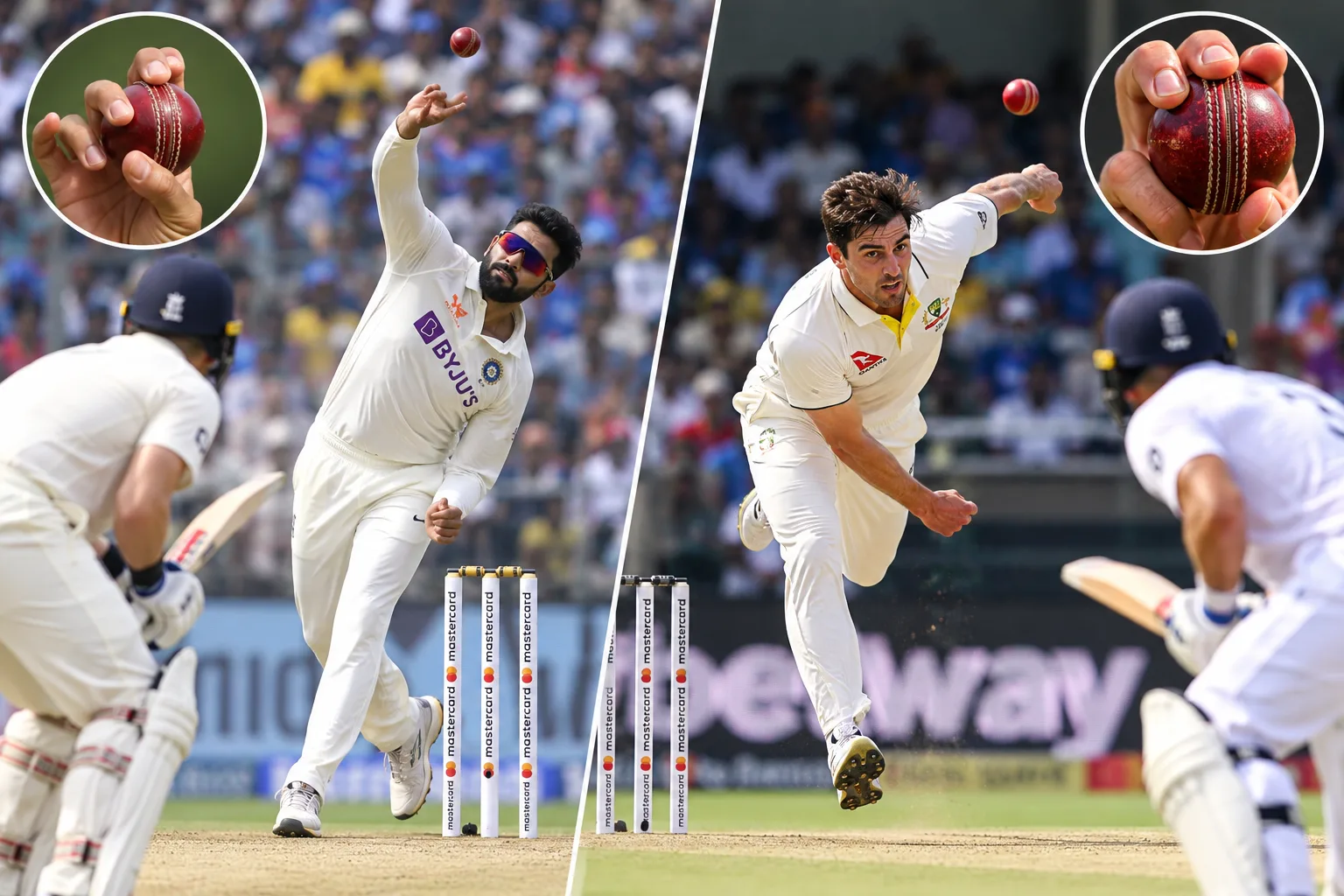
Watch any cricket match for ten minutes and you will spot two completely different kinds of bowlers. One sprints in off a long run-up, arm flashing over, and the ball thuds into the keeper's gloves. The other strolls in off a few short steps, loops the ball up gently, and somehow the batter ends up prodding at thin air. Same game, same six balls an over, two utterly different crafts. That rivalry between pace and spin is one of the things that keeps cricket endlessly watchable.
If you are new to the sport, or you have followed it for years but never quite worked out why a captain tosses the ball to a slow bowler on a baking afternoon, this guide is for you. We will look at what fast bowlers actually do, how spinners fool batters, which pitches reward each style, and how a sharp captain blends the two to keep the opposition guessing.
What Fast Bowling Is Really About
Fast bowling is about far more than raw speed, though a ball whistling past at 145 kilometres an hour is a thrill on its own. The best quicks carry a whole toolkit, and pace is only one tool in it.
- Swing — the ball curves sideways through the air. A shiny, well-kept ball can swing away from the batter or back into them, which is why you see fielders forever polishing one side on their trousers.
- Seam — when the ball lands on its stitched seam, it can dart off the surface unpredictably. Even a tiny deviation is enough to beat the bat.
- Bounce — taller bowlers drag steep bounce out of the pitch, cramping the batter for room and often finding the edge.
- The yorker — a ball aimed right at the base of the stumps or the batter's toes. In the closing overs of a limited-overs game, a well-directed yorker is almost impossible to hit for a boundary.
Bowlers like Dale Steyn and Jasprit Bumrah are so dangerous because they can do several of these things and switch between them from one ball to the next. You are rarely sure what is coming.
The Patient Craft of Spin
Spinners trade speed for one priceless weapon: turn. By ripping the ball hard with their fingers or wrist, they make it grip the surface and change direction after it pitches. It can look gentle from the stands, but it is some of the most skilful bowling in the game.
The main types of spin
- Off-spin — a finger spinner who turns the ball into a right-handed batter. Think of Ravichandran Ashwin picking his way through a line-up.
- Leg-spin — a wrist spinner who turns it away from a right-hander. Harder to control, but devastating on its day, as Shane Warne proved for the best part of two decades.
- Left-arm orthodox — the mirror image of off-spin, bowled by a left-armer. Ravindra Jadeja is a modern master of relentless accuracy here.
- The googly — a leg-spinner's surprise ball that turns the opposite way to what the batter expects, often bowling them or trapping them lbw.
- The doosra — an off-spinner's equivalent, spinning the other way to the stock ball. It is tricky to bowl legally and only a handful of bowlers have truly mastered it.
Spin is a game of patience and disguise. A spinner might float three near-identical balls at you, then slip in one that is a shade quicker, a touch shorter, or spins that bit more, and that is the one that takes the edge or the wicket.
Which Conditions Suit Which Bowler
This is where the pitch matters enormously. A green, grassy surface holding some moisture helps the swing and seam of fast bowlers, which is why the first session of a day in a place like England so often belongs to the quicks. A dry, dusty surface that has started to crumble, common later in a Test match or on many sub-continental grounds, grips the ball and lets spinners turn it sharply.
The weather has a say too. Overcast, humid skies tend to help the ball swing, while a hot afternoon on a worn pitch is a spinner's dream. If you want to get a feel for this side of the game, the different types of cricket pitches are worth knowing, because the surface often decides who holds the advantage before a ball is even bowled.
How Captains Use Both Together
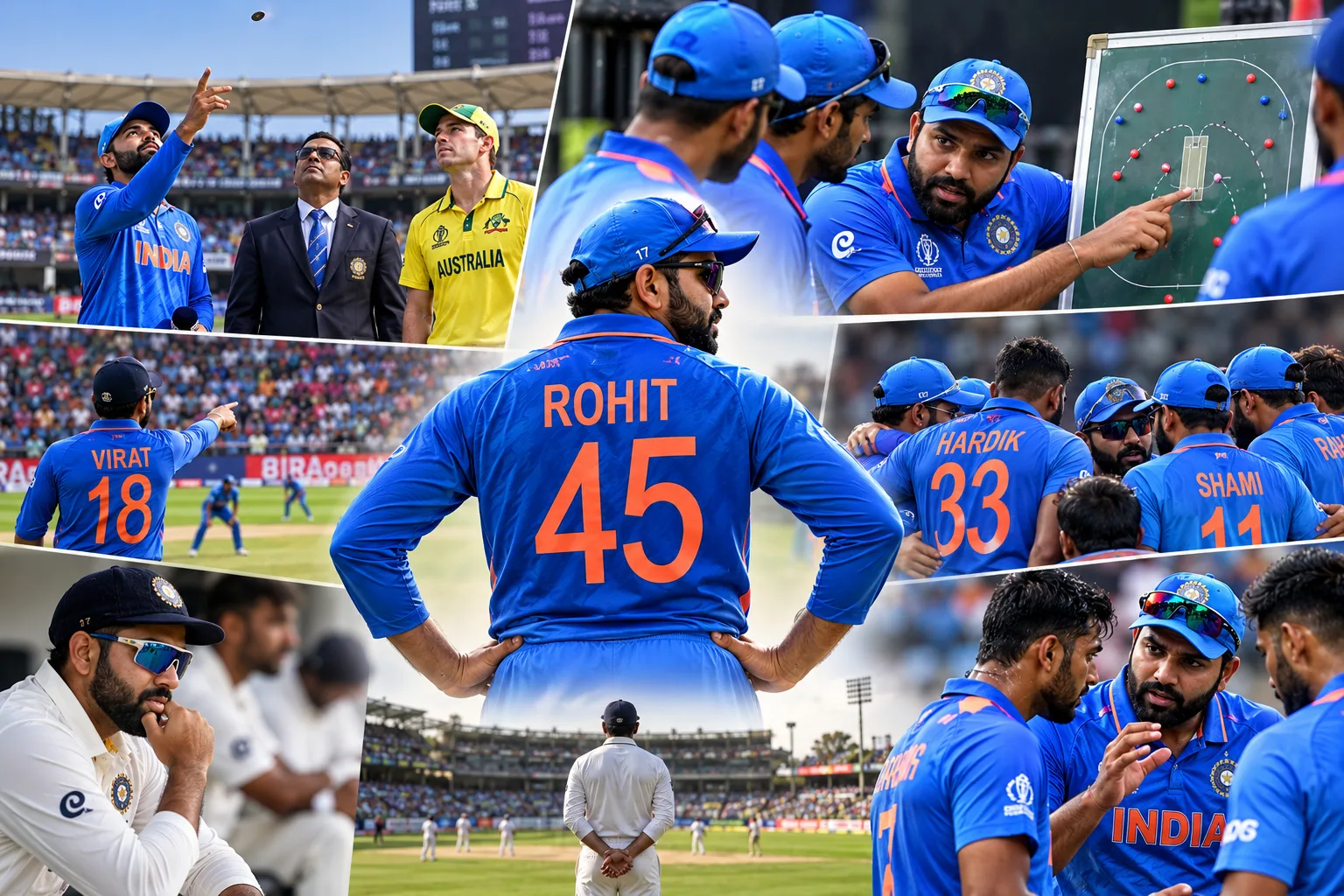
A good captain treats pace and spin as partners rather than rivals. The usual pattern is to open with the quicks while the ball is new, hard and shiny, when swing and seam are at their sharpest. As the ball softens and the pitch wears, the spinners come on to squeeze the run rate and lure batters into mistakes.
The match situation counts as much as the conditions. In a tense finish a captain might recall a yorker specialist to defend a few runs, or throw the ball to a leg-spinner in search of a wicket. Spotting these decisions is part of the fun, and a big part of what a captain really does out in the middle. If you like keeping fixtures and live scores in one place while you follow the tactics, setting up a cricket id keeps it all in one spot.
So, Which One Is Better?
Honestly, neither, and that is a big part of what makes the contest so good. Pace and spin are simply two answers to the same question: how do you get a batter out? One tries to beat you with speed, movement and aggression; the other with flight, guile and patience. The teams that win regularly tend to have both, led by a captain who knows exactly when to call on each. Next time you watch, keep an eye on the moment the bowling changes and ask yourself why the captain made the switch.