The Role of a Cricket Captain: Beyond the Toss
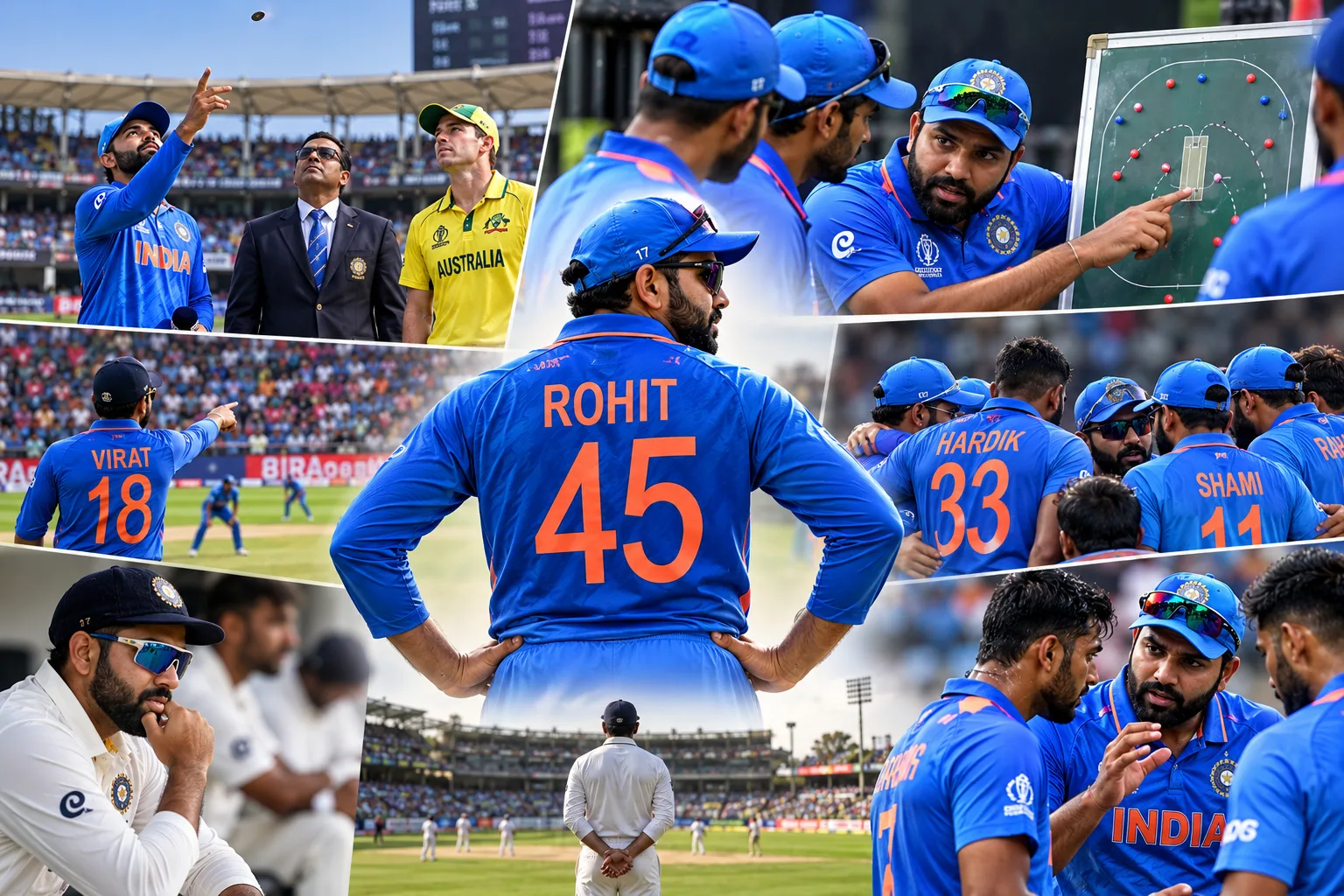
Every match begins with the same small ritual. Two captains walk out to the middle, a coin goes up, and one of them makes a choice that the television cameras love to replay. It looks like the whole job can be summed up in those thirty seconds. It cannot. The toss is just the first decision of many, and it is honestly one of the least demanding ones a captain will face all day.
The real work starts the moment the first ball is bowled and does not stop until the last run is scored. A captain is part tactician, part man-manager, part on-the-spot problem solver. They have to think two overs ahead while reacting to what is happening right now, all with a stadium watching and teammates looking to them for calm. Here is what the job actually involves, one responsibility at a time.
The Toss and That First Read of the Pitch
Winning the toss matters, but what you do with it matters more. A captain has to read the surface, the weather and the match situation before deciding to bat or bowl. On a dry, crumbling pitch, batting first and setting a big total often makes sense because the surface will only get harder to bat on. Under heavy cloud cover, a captain might prefer to bowl first and use the early movement.
Get it right and you look like a genius by tea. Get it wrong and you spend the next two days defending a call that felt sensible at half past nine in the morning. The best captains accept that uncertainty and move on quickly, because the game does not wait for regret.
Setting Fields and Reading the Batsman
This is where captaincy becomes an art. A captain places every fielder, and each position reflects a read on what the batter is likely to do next. Pack the off side for a batsman who loves driving, leave a gap at mid-wicket to tempt a loose flick, bring in a short leg when the ball is turning sharply. These choices change from ball to ball.
Good captains also talk constantly with their bowlers, adjusting the plan over by over. If you want to understand why fielders stand where they do, our guide to cricket fielding positions breaks down the logic behind each spot. The short version is this: a well-set field can squeeze a batter into a mistake without a single wicket-taking delivery.
Rotating Bowlers and Managing the Overs
A captain is effectively a manager of resources. In a limited-overs game, those resources are overs, and they run out fast. Hold your best bowler back too long and you might never get to use them against the dangerous batter. Bring them on too early and you have nothing left to defend at the death.
- Matchups: pairing a particular bowler against a batter who struggles with that style, such as saving a quality spinner for a shaky player of spin.
- Workload: reading when a tiring fast bowler needs a breather before their pace drops.
- Momentum: sensing when to attack with an extra slip and when to simply stop the runs.
Knowing when to switch between the quicks and the spinners is a craft in itself, shaped as much by the surface and the time of day as by the batters at the crease.
DRS Calls and Split-Second Nerve
Few moments test a captain like a review decision. The umpire has given a verdict, the fielders are shouting, and the clock is ticking down the seconds allowed to ask for a review. The captain has to gather quick opinions, trust the bowler and keeper who were closest to the action, and then commit, all without the replays the rest of us get to see.
Waste a review on a hopeful appeal and you may regret it when a genuine edge gets turned down later. A captain who reads these moments well can swing a tight game. If the system itself is new to you, our explainer on what DRS is in cricket is a useful place to start.
Captain on the Field, Coach off It
There is a neat division of labour in modern cricket. The coach handles the planning, the training, the data and the long-term strategy from the dressing room. But once the players cross the boundary rope, the coach cannot send instructions ball by ball. That is the captain's domain.
The coach might set the broad plan before play; the captain adapts it in real time as the match twists and turns. A strong partnership between the two is one of the quiet reasons some teams keep winning. When it works, the captain trusts the groundwork and feels free to back their instinct in the middle.
Carrying the Pressure
The part nobody sees is the mental load. A captain fields questions after a loss, protects younger players from criticism, manages the egos of senior stars, and still has to score runs or take wickets themselves. They are expected to stay composed when a catch goes down or an umpire's call goes against them, because the whole side feeds off their body language.
Leadership in cricket is less about grand speeches and more about small, steady decisions made under stress, hour after hour.
Watching a Captain at Work
Once you know what to look for, the captain becomes one of the most interesting people on the field. Notice the field changes, the little chats with bowlers, the moment they back a hunch with a bowling change that nobody saw coming. If you like keeping every fixture and live score in one place so you can follow these battles as they unfold, setting up a cricket id keeps it all in one view. The toss may open the match, but the captain's mind shapes everything that comes after.