The Rise of Women's Cricket in India
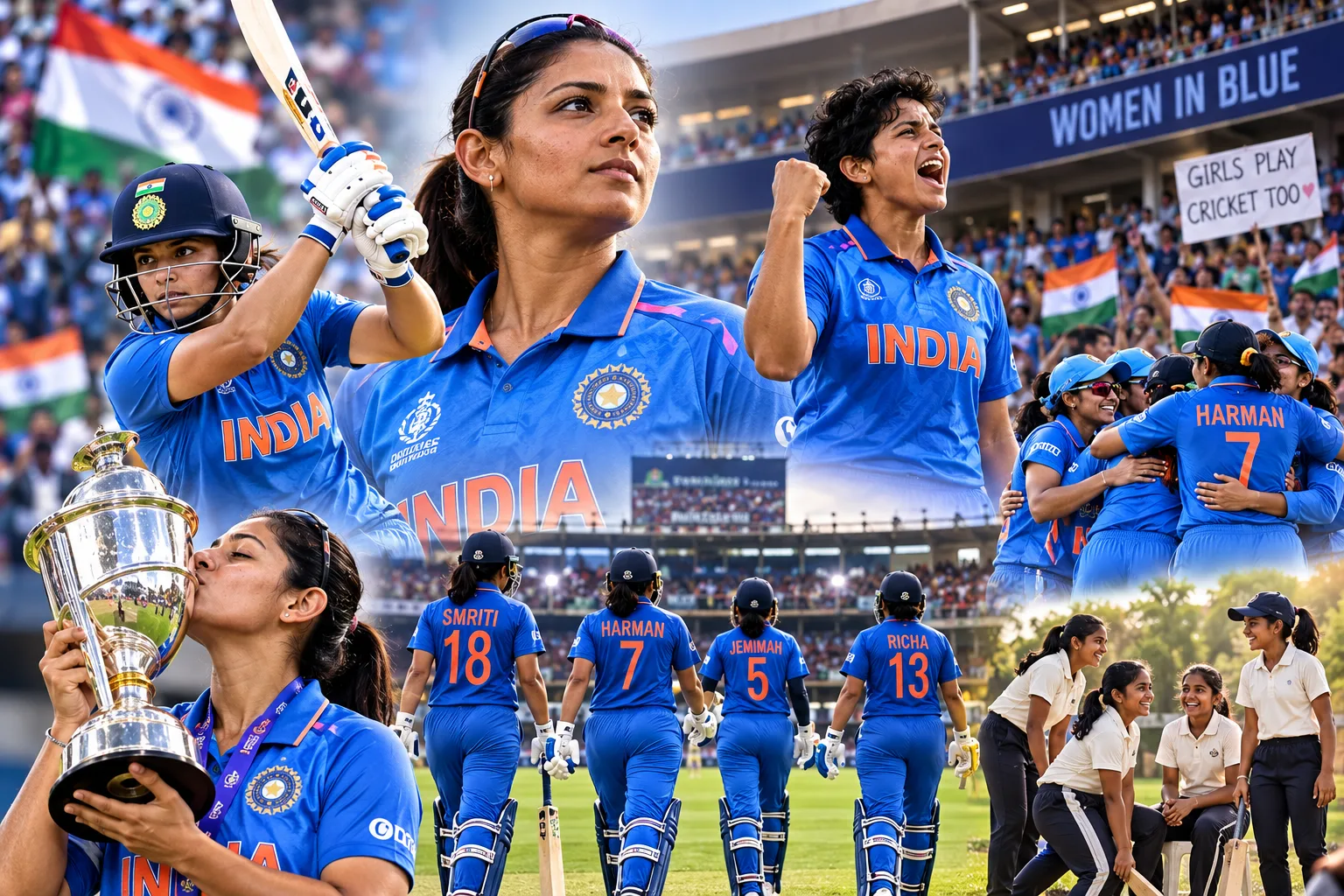
Ask an Indian cricket fan twenty years ago to name a woman cricketer, and you would often get a pause, maybe a single name. Ask the same question today and the answers come quickly: Smriti Mandhana's cover drives, Harmanpreet Kaur clearing the ropes, Jemimah Rodrigues chasing everything down in the field. These names now come up in living rooms, school grounds and lunch-break chats as easily as the men's team once did. That shift was decades in the making.
The story of women's cricket in India is not a sudden success. It is a slow build made of patient players who kept turning up when hardly anyone was watching, one afternoon that forced the country to pay attention, and a set of structures that were put in place only recently. Here is how the pieces fell into place.
A Quiet Start That Deserved Far More
For decades the women's game sat on the margins. Players travelled in general train compartments, bought some of their own kit, and batted in front of stands that were nearly empty. Television barely covered the matches, and the money was thin to non-existent. The talent, though, was never in doubt.
Mithali Raj and Jhulan Goswami held the game together through those lean years. Mithali piled up runs across a career that stretched over two decades, while Jhulan ran in over after over as one of the finest fast bowlers the women's game has produced. Neither played for money or attention, because there was little of either on offer. The standards they set gave the next generation something to aim at.
2017: The Final That Changed Everything
If one moment turned the tide, it was the 2017 World Cup in England. India reached the final at Lord's and pushed the hosts hard before falling just short. The innings everyone still talks about, though, came a few days earlier: Harmanpreet Kaur's unbeaten 171 against Australia in the semi-final, an assault that left even neutral fans open-mouthed.
After that, the highlights were impossible to miss. Newspapers ran front-page photographs of the team. Girls who had never watched women play on a stage that size suddenly had players to copy in the backyard. India did not win the trophy, but the tournament did something the scoreboard could not measure. If you enjoy tracing these milestones, our look at cricket World Cup history and its champions puts that run in wider context.
A League of Their Own
The next real jump was a professional T20 competition of their own. The Women's Premier League, which began in 2023, changed the tone of the whole conversation. Indian cricketers were now sharing dressing rooms with leading players from Australia, England and the West Indies, picking up habits and sharpening skills across a full season rather than the odd series.
The effect reached well past the results on the field:
- Domestic players signed contracts that genuinely changed their circumstances.
- Uncapped youngsters trained and batted next to names they had grown up watching.
- Fans finally had a marquee tournament to follow year after year.
The short format fit the moment, filling grounds and winning prime-time slots on television. If you want the bigger picture on why the twenty-over game spread so fast, this explainer on how T20 cricket changed the game is worth a read.
Role Models Inspiring a New Generation
Seeing someone who looks like you do the thing you dream of matters more than any pep talk. When a girl in a small town watches Shafali Verma hit through the line fearlessly, or sees Deepti Sharma bowl a tight spell under pressure, the old idea that cricket is a boys' game quietly loses its grip.
Coaching academies now report more girls enrolling than at any point before. Parents who might once have hesitated are signing their daughters up and treating the game as a serious option. Local coaches tell of youngsters who name current India players as the exact reason they first picked up a bat. That line from the top of the game down to a child at a nets session may be the most valuable thing built in the past decade.
Better Pay, Better Facilities
Recognition tends to arrive with resources, and here too the progress has been real. In a widely praised move, the BCCI announced equal match fees for its centrally contracted men and women cricketers, putting India among the national boards to close that particular gap.
Alongside the pay, players now get:
- Better travel, accommodation and support staff on tour.
- Access to improved training grounds and recovery facilities.
- More consistent visibility through regular television and online broadcasts.
To an outsider these look like dry administrative updates. For athletes who once had to fight for the basics, they are a signal that the board finally regards them as full professionals.
Following the Journey, and What Comes Next
One of the best parts of this era is how simple it has become to keep up. More series are broadcast, more matches are streamed, and tracking India's fixtures no longer means digging around half a dozen websites. If you like having fixtures and live scores gathered in one place, a cricket id keeps the whole schedule within easy reach.
Plenty is still unfinished. Domestic depth, grounds and coaching in smaller towns, and steady coverage of every format all need more work. But the direction is not in question. From empty stands to packed stadiums, from near-anonymity to names everyone knows, women's cricket in India has earned a permanent place in the national game.