Cricket Fielding Positions Explained for New Fans

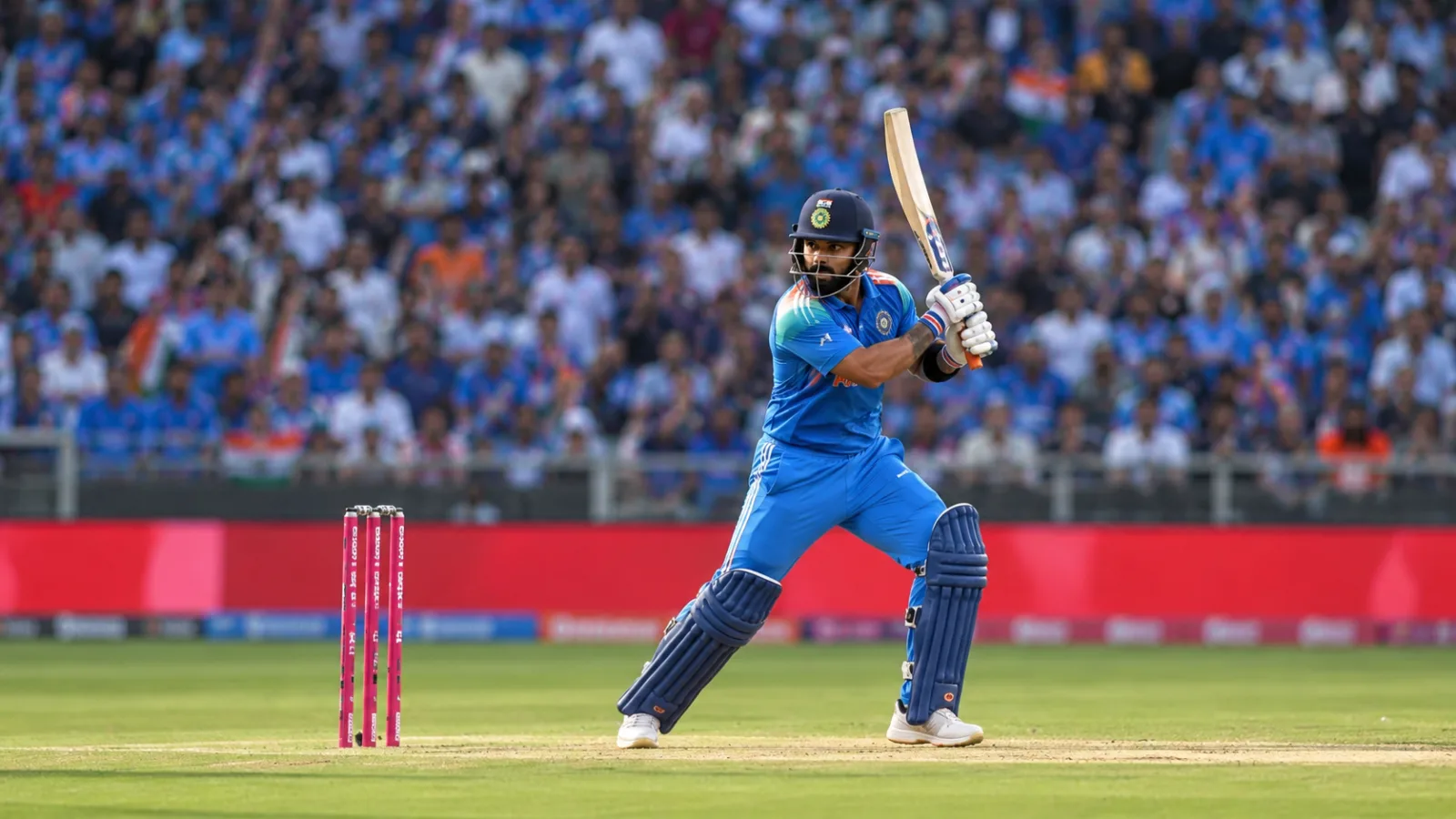
The first time you watch a cricket match closely, the batting and bowling make sense quickly. Someone bowls, someone swings the bat, runs appear on the screen. But then the commentator says "that's a lovely ball through the covers" or "he's been caught at gully," and you realise there is a whole hidden map on that field that nobody ever explained to you. Nine fielders, scattered across the grass in a pattern that seems to change every single over.
The good news is that those positions are not random, and the names are far less confusing than they sound. Once you grasp the basic layout and the one simple idea of "on side" versus "off side," the whole field suddenly reads like a sentence. You start noticing why a slip stands where he stands, and why the captain pulls a man back towards the boundary. Let us walk through it slowly, the way a friend might point things out from the stands.
The one idea that unlocks everything: on side and off side
Every fielding position is described relative to the batter, and the field is split into two halves. Picture a right-handed batter standing ready. The side the bat faces, towards where a cover drive travels, is the off side. The side behind the batter's legs is the on side, also called the leg side.
That is genuinely the whole trick. If a left-hander comes in, the two halves simply flip, which is exactly why fielders jog across and swap positions whenever the strike changes between a righty and a lefty. When you hear "square of the wicket," it just means roughly level with the batter, at a right angle to the pitch. "In front of the wicket" means towards the bowler's end; "behind square" means back towards the keeper's side.
Close catchers: slips, gully and the ring behind the bat
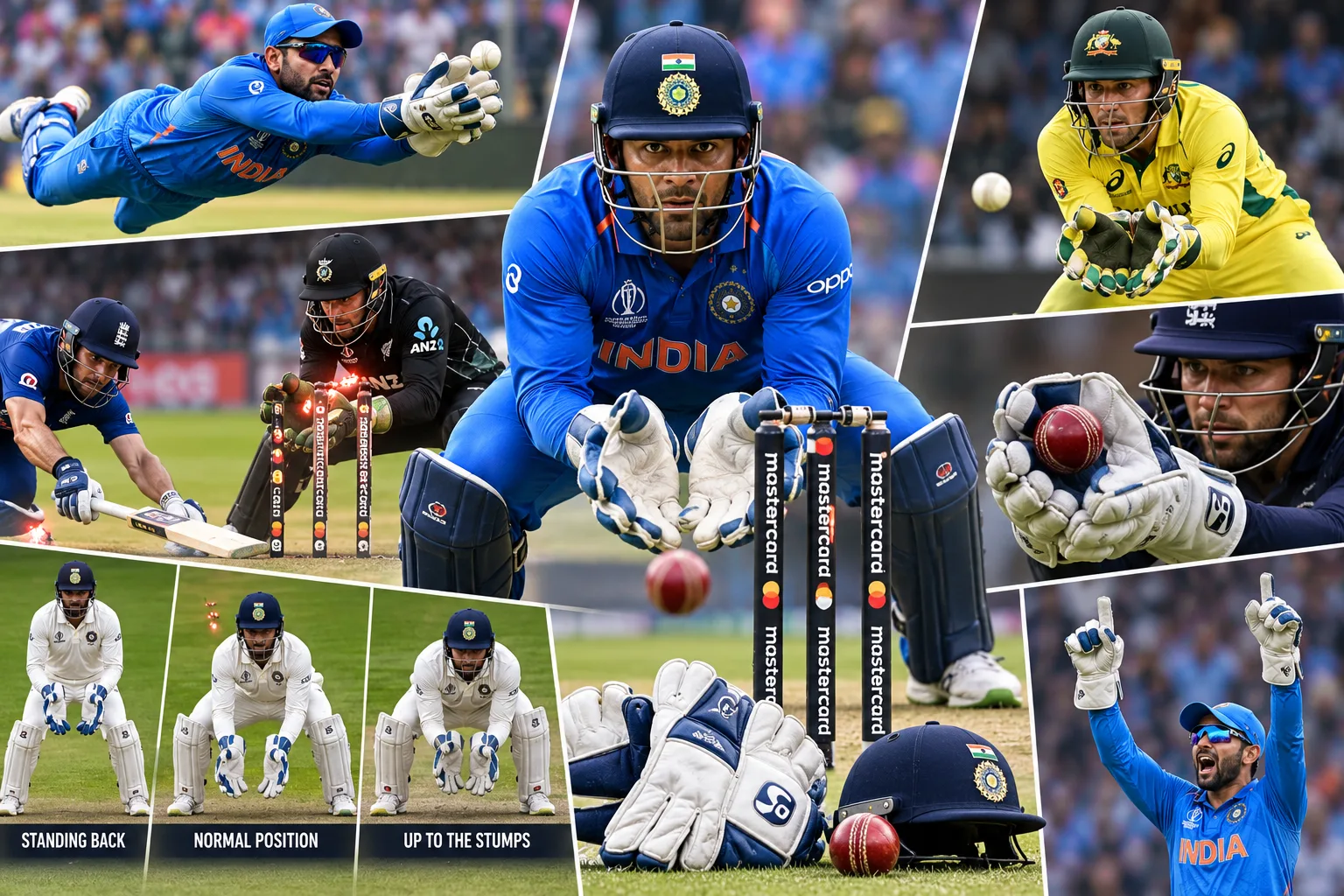
The positions crowded near the wicketkeeper exist for one reason: to snap up a thin edge before it reaches the ground. These are attacking spots, set when the bowler is hunting a wicket rather than trying to save runs.
- Slips stand next to the keeper on the off side, angled to catch a ball that kisses the edge of the bat. You will hear "first slip, second slip, third slip" counting outwards from the keeper.
- Gully sits a little wider and squarer than the slips, catching the firmer edge that flies off a defensive push.
- Short leg and leg slip are the brave souls crouched very close on the on side, usually for spin bowling, waiting for a bat-pad catch.
The inner ring: saving the single
A step back from the close catchers is the inner circle of fielders whose job is to cut off quick singles and sharp drives. These are the names you hear most often during a tense over.
- Point stands square on the off side, guarding the cut shot.
- Cover is in front of point, covering those classic front-foot drives. "Extra cover" sits slightly finer towards the bowler.
- Mid-off and mid-on stand on either side of the bowler, fairly straight, stopping the driven ball.
- Mid-wicket patrols the on side between mid-on and square.
- Square leg stands square on the leg side, often where the umpire also stands.
When captains want to choke the scoring in the middle overs, they pack this ring and dare the batter to hit over the top.
The boundary riders: fielders on the rope
Out near the rope sit the deep fielders, posted to turn a certain four into a sprinted two, or to pouch a mishit.
- Third man is behind square on the off side, mopping up edges and late cuts that beat the slips.
- Fine leg is the mirror of third man on the on side, catching glances and top-edged pulls.
- Long-off and long-on guard the straight boundaries either side of the sightscreen, the ones big hitters love to clear.
- Deep mid-wicket and deep square leg cover the leg-side boundary, a popular target for the pull and the slog.
Attacking fields, defensive fields, and why nothing stays still
Now the positions start to tell a story. An attacking field crowds the bat with slips, gully and close catchers, accepting that a few boundaries might slip through the gaps. The captain is spending runs to earn a wicket. A defensive field pushes men out to the ring and the rope, drying up easy runs and squeezing a mistake out of a frustrated batter.
A smart captain reads the batter, the pitch and the bowler all at once. Against a fast bowler banging the ball in short, you will often see a deep square leg and fine leg waiting for the hook. Against a turning ball, close catchers appear on the leg side for the bat-pad chance. The surface matters too, which is why it helps to understand spin and pace bowling before you try to decode a field. This constant tinkering is one of the quieter skills in the game, and a big part of the captain's job out there.
Watching it come alive
The best way to learn all this is to watch with the map in your head. Next match, pick one bowler and track where the captain places the field each over. The logic shows up within minutes. If you like keeping every fixture and live score in one place while you learn, a cricket id makes following along simple.
Give it a few games and the field stops looking like scattered dots. You will be the one in the room saying "watch, he's setting a trap at deep square leg" just before the batter obliges.
A quick wrap-up
Fielding positions are really just a shared language for where everyone stands and why. Start with the on-side and off-side split, learn the close catchers, the ring and the boundary riders, and the rest falls into place. Keep watching, keep asking "why is he standing there," and the game opens up in a way that makes every over far more interesting.