History of the IPL: How the T20 League Grew
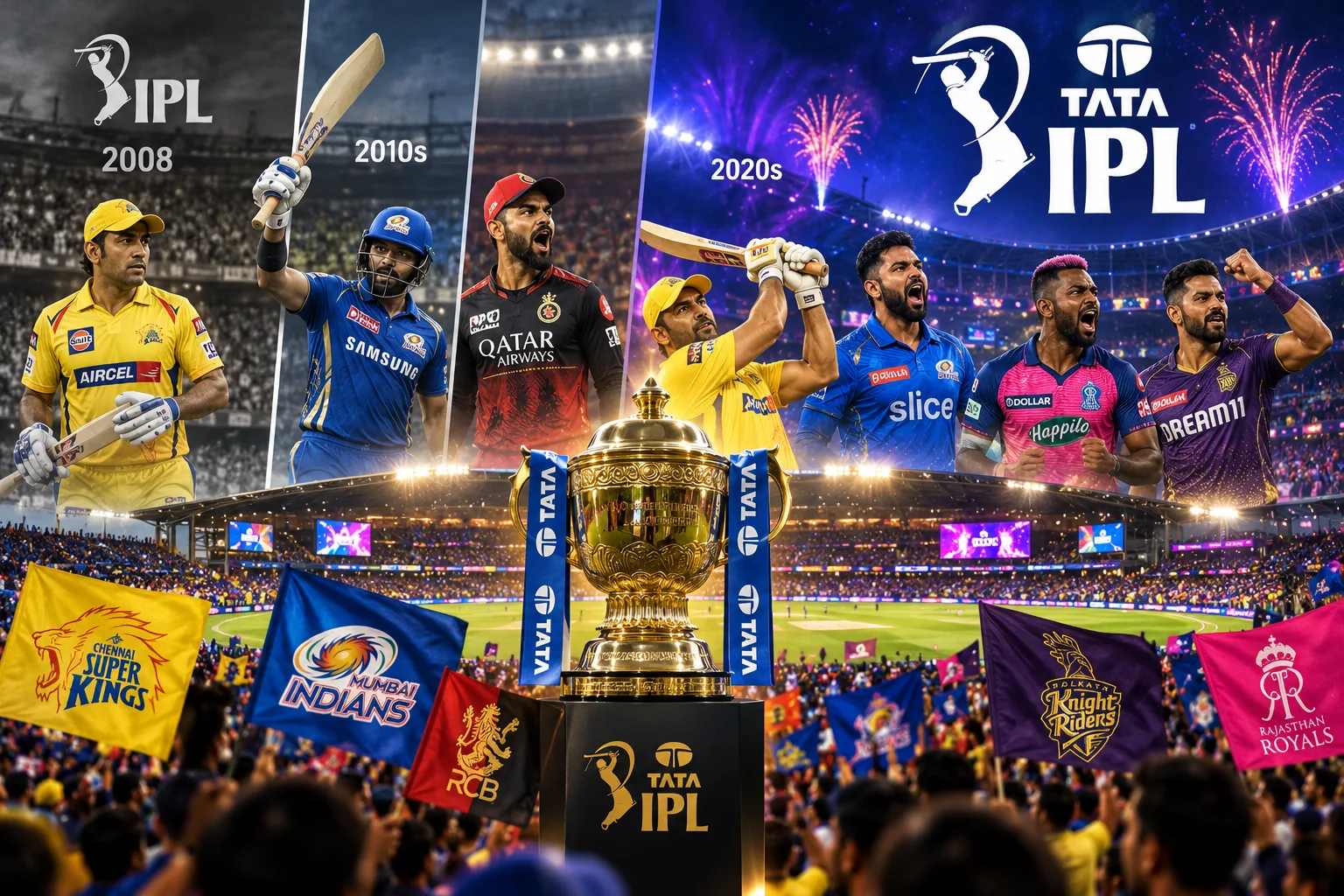
Picture a sweaty April evening in 2008. Music blaring, floodlights humming, and a New Zealander named Brendon McCullum walking out to open the batting for Kolkata. By the end of that night he had smashed 158 not out, and a lot of us watching at home realised cricket had just shifted gears. That one innings told the whole story before the league had even settled in: this was going to be loud, fast, and nothing like the game our fathers grew up watching.
The Indian Premier League did not invent Twenty20, but it gave the format a home, a salary, and a stage grand enough to make the world pay attention. In a little over a decade it went from a bold experiment to the event the entire cricketing calendar bends around. So how did a two-month tournament become this big? Let us walk through it properly.
A new idea in a hurry
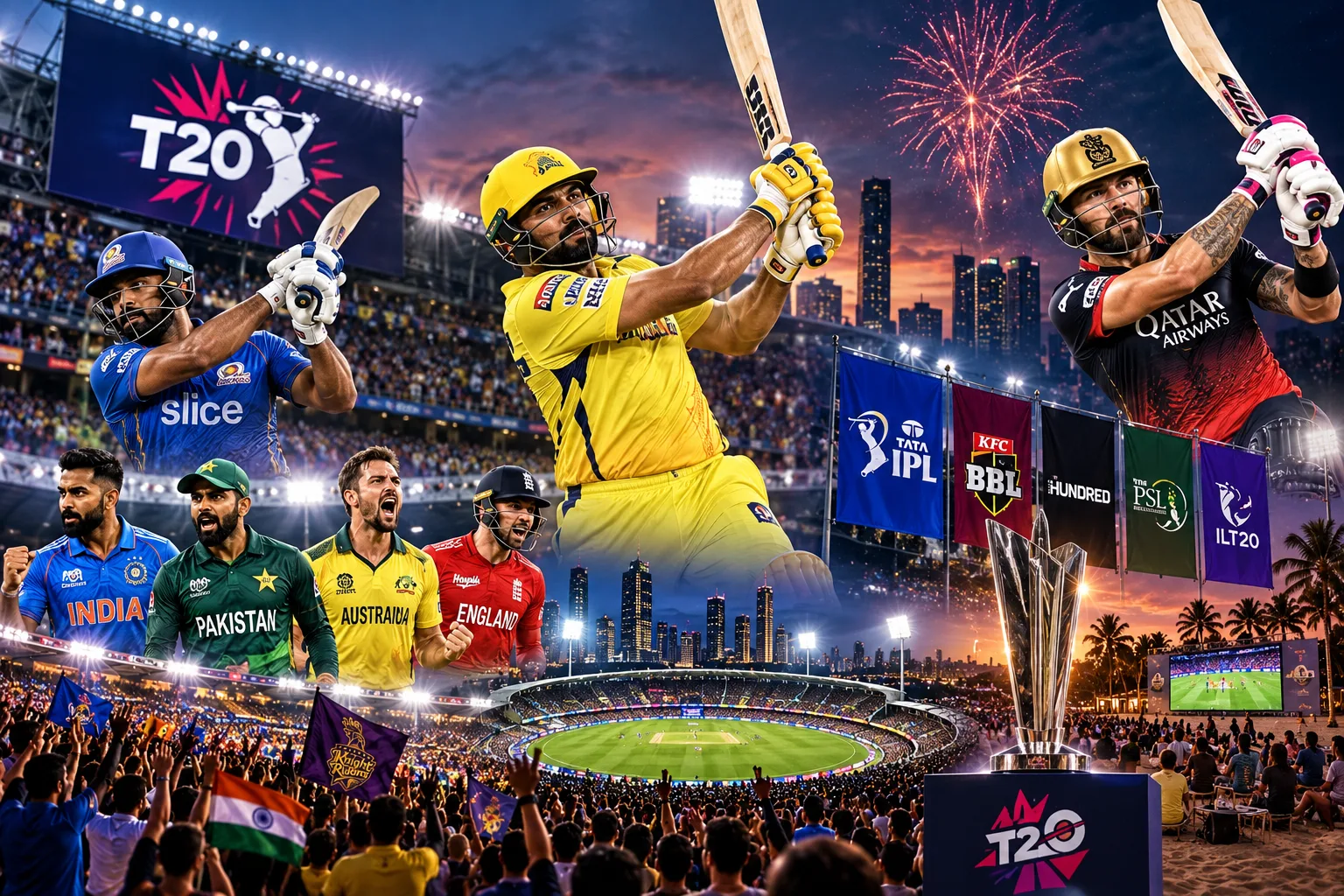
The IPL was launched by the BCCI in 2008, built around a simple but radical plan: city-based franchises, owned privately, competing in a short burst of T20 matches. Eight teams started it off, among them Chennai Super Kings, Mumbai Indians, Royal Challengers Bangalore, Kolkata Knight Riders, Rajasthan Royals, Kings XI Punjab, Delhi Daredevils and Deccan Chargers.
What made that first season special was how little anyone expected. Rajasthan Royals, with the smallest budget and Shane Warne doubling as captain and coach, won the whole thing. A team written off before a ball was bowled lifted the trophy. If you ever wanted proof that T20 rewards nerve over reputation, that was it.
The auction that changed everything
The real engine of the league was never just the cricket. It was the auction. Instead of players staying loyal to one side forever, franchises bid for them in an open room, chasing the names that fit their budget and balance. A fixed salary cap meant no single team could simply buy every star, which kept things competitive year after year.
This model did two things at once. It turned players into tradeable assets with real market value, and it gave unknown youngsters a shot at the big time. A teenager from a small town could bowl a few tidy overs in a trial, land a contract, and suddenly be sharing a dressing room with his heroes.
City teams and the fans who adopted them
One clever decision was tying teams to cities rather than regions or states alone. Chennai became yellow. Kolkata rallied behind purple and gold. Fans who had only ever cheered for India now had a club to call their own, complete with chants, jerseys and heartbreak.
That sense of belonging travelled with the grounds too. Packed stands at the Chepauk, the Eden Gardens and the Wankhede became part of the show. The home-and-away rhythm gave the league a season-long feel that a one-off series never could, and families planned their evenings around which city was playing.
Cricket meets entertainment
The IPL was never shy about being a spectacle. Evening starts so working people could watch after a long day. Music between overs. The strategic timeout. Owners from the film and business world sitting in the stands. For better or worse, it stitched entertainment into the fabric of a match.
Some purists grumbled, and that is fair. But the energy pulled in people who had never followed cricket closely before, including a lot of younger fans and plenty of households where the TV used to stay off during a Test. The league widened the tent.
How it reshaped careers and the wider game
This is where the IPL's real legacy sits. Playing under pressure in front of big crowds, alongside overseas greats, fast-tracked a generation of Indian cricketers. Death-over bowlers, power hitters and sharp fielders all found a proving ground.
- Uncapped talent got noticed. Selectors started watching the IPL closely, and strong seasons often led straight to national selection.
- Specialist skills grew. Yorkers at the death, ramp shots, two-paced cutters. Players drilled the hard stuff because matches demanded it.
- The world copied the blueprint. Leagues across other cricketing nations borrowed the franchise-and-auction idea, and the global T20 calendar filled up.
If you want the bigger picture on how the shortest format rewired batting, bowling and tactics everywhere, have a read of how T20 cricket changed the game.
Growing pains and staying power
No story this big is spotless. The league weathered its share of controversies, and a couple of early franchises came and went. There were seasons played overseas too, like 2009 in South Africa when it clashed with India's general elections. Yet through all of it the IPL kept drawing bigger audiences and bigger broadcast deals, which tells you something about how firmly it had taken root.
Over the years, sides like Mumbai Indians and Chennai Super Kings built genuine dynasties, winning multiple titles and setting the standard for consistency. Keeping up with every fixture, result and live score across a packed season can feel like a job in itself, and an IPL cricket id is a handy way to keep all of that in one place.
Where it leaves us
From one wild night in 2008 to a tournament the whole sport plans around, the IPL's rise has been genuinely remarkable. It changed how players are valued, how fans pick their colours, and how T20 is played from Chennai to the Caribbean. Whether you love the noise or miss the quieter cricket of old, there is no denying the league rewrote the rules of what a season could be. And with fresh talent arriving every auction, that story is still being written.